The Wiener Holocaust Library has been granted planning permission by Camden Council for a transformative extension to its Russell Square site.
The project will create new spaces for education and exhibitions while revitalising the Grade II listed Georgian building that currently houses the library.
Founded on the work of Alfred Wiener – who campaigned against Nazism and documented the rise of antisemitism in Germany in the 1920s and 1930s – the library has been based in London since 1939. Today, it holds a collection of over one million items, including published and unpublished works, press cuttings, photographs, and eyewitness testimony.
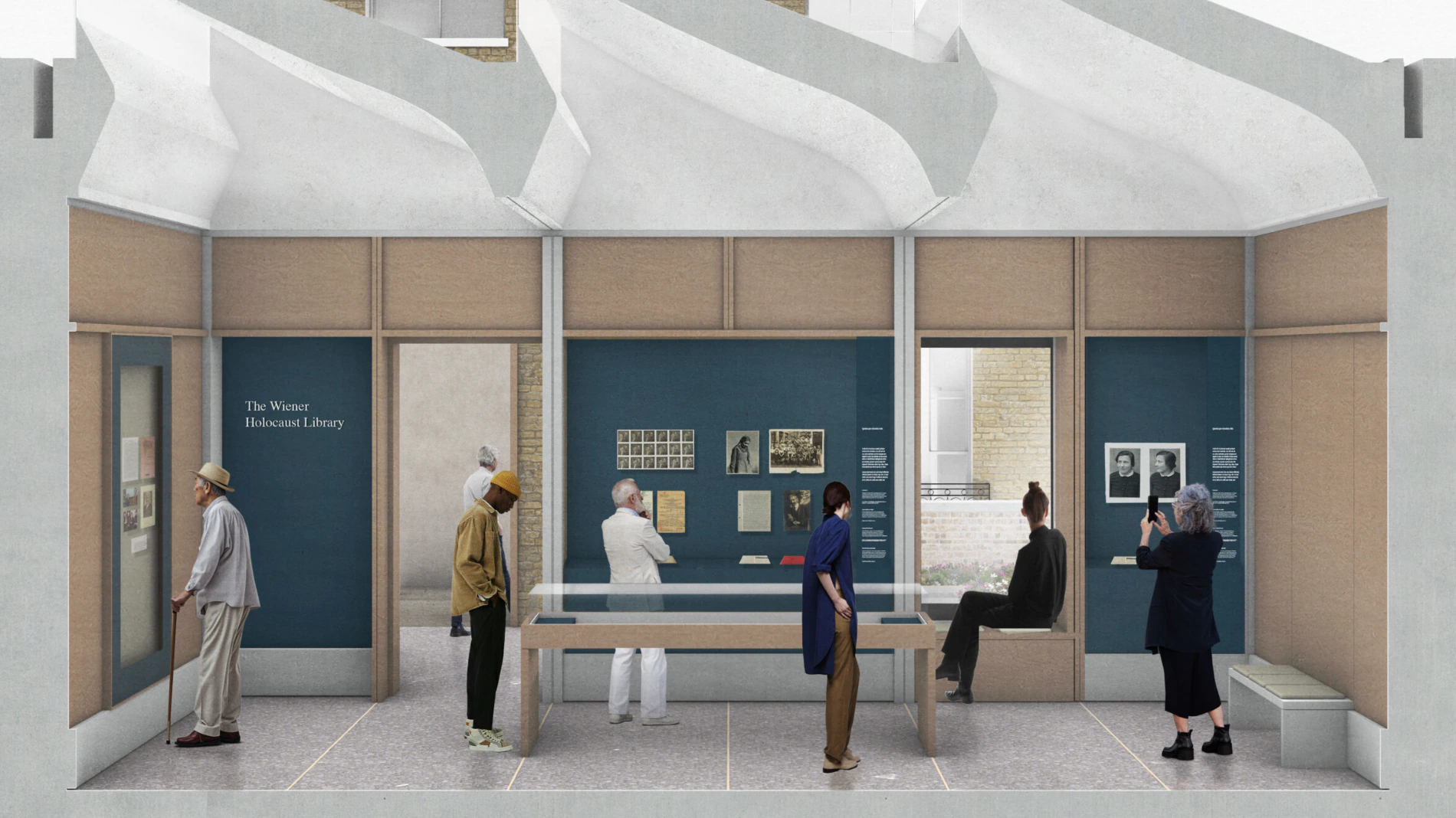
Following the council’s approval, the award-winning architects and exhibition designers Nissen Richards Studio will lead the renovation. Plans include refurbishing part of the existing building and constructing a new two-storey, 145 square metre extension.
The development will include a 30-seater ground floor learning space for schools, universities and community groups, alongside a first-floor gallery overlooking a rooftop garden. The renovation will enhance the library’s educational facilities and provide a permanent exhibition space to showcase key documents and objects from its world-renowned collection.
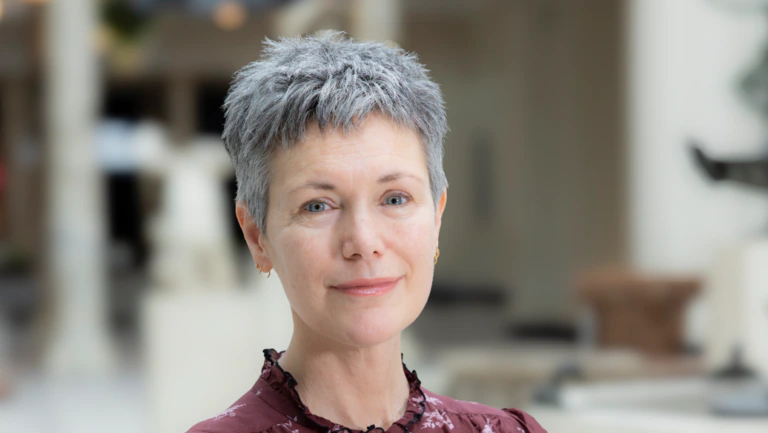
Barbara Warnock, the co-director of the Wiener Holocaust Library, told Museums Journal that the extension will allow the library to substantially increase its offering to visitors.
Advertisement
She said: “In this new exhibition, we will be able to show visitors some of our most important and precious archival items. We’ve got some incredible stuff that we can’t very often make available to the public at the moment – by creating this exhibition, we will be able to.”
Warnock added that the renovation comes at a crucial moment: “This project reinforces our position in central London. It will enable us to fulfil our goal of expanding our audience and raising our profile.
“In the current era of misinformation and disinformation, we think it’s more important than ever to emphasise our archives, our collections, the evidence we’ve got about this important history.”